Upgrading High-Rise Parking Garage Patrols in Mississauga
High-rise underground parking structures in Mississauga are increasingly targeted by sophisticated auto-theft networks. Discover the technical roving strategies, parking enforcement tactics, and electronic logging systems required to protect your condominium asset.
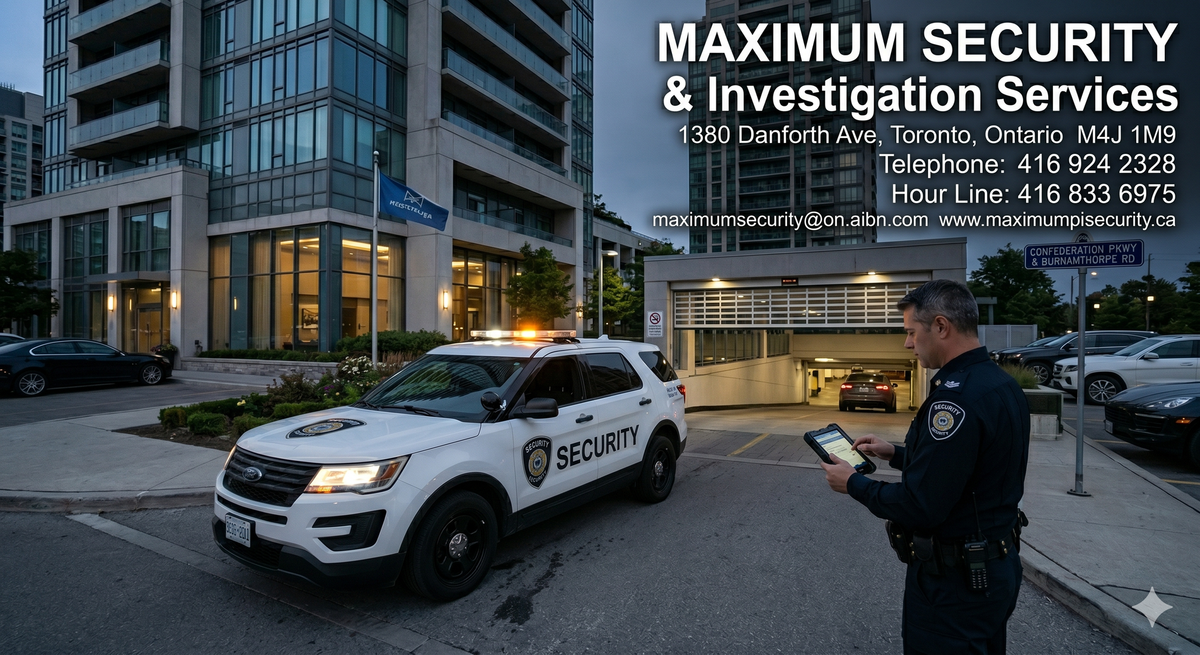
The Subterranean Security Threat in Peel Region
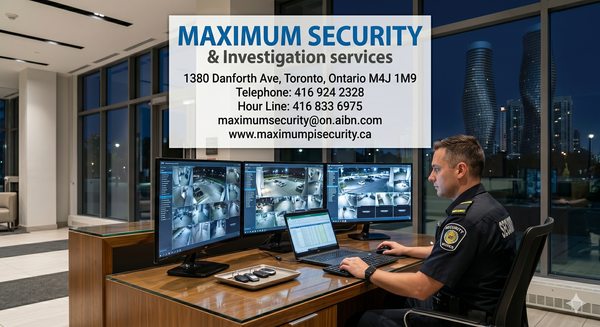
Underground parking structures across Mississauga—specifically the high-density residential towers flanking Hurontario Street, the Absolute World towers, and the sprawling transit-adjacent communities near Square One—have become prime operational territory for organized auto-theft rings. These modern parking garages are subterranean networks spanning multiple levels, providing criminals with total concealment from public view once the perimeter is breached. Relying purely on static closed-circuit television (CCTV) arrays or unmonitored security gates provides nothing more than a historical record of property loss.
To combat this exposure, condominium corporations must shift from passive monitoring to proactive physical intervention. The geographic position of Mississauga, bordered by major shipping corridors and interconnected 400-series highways (401, 403, and 410), allows sophisticated networks to extract targeted vehicles from a subterranean lot and place them into shipping containers within minutes. Mitigating this risk requires a comprehensive security architecture that integrates physical guarding, digital reporting, and structured oversight. To understand how parking security integrates into overall estate governance, property managers should consult the comprehensive Condominium Concierge Security Management: The GTA Board Guide to align board mandates with professional deployment practices.
The specific vulnerability of Mississauga structures lies in their scale. A three-level underground parking lot beneath a multi-phase high-rise development can house over a thousand vehicles at any given time. This concentration of high-value assets, combined with predictable resident patterns, allows criminals to scout the layout with minimal resistance if access controls are compromised. To stop these incursions, boards must transition toward structured, unpredictable roving patrols executed by personnel trained specifically in subterranean tactics.
Advanced Roving Strategies for Multi-Level Structures
Standard security routines are easily observed and bypassed by professional thieves who monitor guard movements from parked vehicles. Effective subterranean protection demands the execution of randomized, non-linear patrol patterns. Guards must alter their entry points, change the chronological order of the floors they inspect, and incorporate varying dwell times on deeper levels where cellular signals and radio frequencies are naturally obstructed.
The Consensus Verdict: Field data consistently reveals that security protocols following a fixed, hourly patrol schedule suffer a 50% higher rate of targeted vehicle thefts than structures utilizing fully randomized routing matrixes. Condo boards should mandate the deployment of randomized electronic checkpoint logging and explicitly avoid any security provider utilizing static, predictable patrol timers.
Fob Cloning Defense and Access Point Hardening
The entry and exit gates of an underground garage are the most critical vectors of risk. Organized syndicates regularly utilize signal-cloning technology or exploit long gate-closure delays to execute tailgating maneuvers. When an authorized resident enters the garage, an opportunistic vehicle slips in immediately behind them before the heavy overhead door cycles shut.
A trained parking guard serves as an immediate countermeasure to these technical vulnerabilities. By maintaining a physical presence near primary access points during peak commuter windows, guards visually verify that every entering vehicle possesses a legitimate, active barcode sticker or programmed transponder. Additionally, security personnel can audit electronic access control logs in real-time, matching entry data with physical vehicle descriptions to identify duplicated or compromised key fobs instantly. This proactive stance mirrors the strict perimeter parameters explored in the Condo Parking Enforcement Security Guards in Mississauga: Guide, where controlling access remains the single highest point of leverage against property crime.
Mitigating Property Damage and General Liability
Beyond the direct threat of vehicle theft, unpatrolled parking structures expose condominium corporations to massive civil liability. Dark corners, isolated stairwells, and blind spots around concrete pillars are high-risk areas for slip-and-fall incidents, mechanical flooding, and personal safety breaches.
When a water pipe bursts on a lower level or a resident slips on ice tracked onto an interior ramp, the board's primary legal defense rests entirely on documented due diligence. A licensed guard conducting methodical checks logs these structural anomalies instantly, allowing maintenance teams to intervene before a minor maintenance issue escalates into a multi-million-dollar insurance claim. This relationship between physical document tracking and insurance premium stabilization is an operational reality also explored within the framework of How to Reduce Condo Liability with Trained Security Guards in North York.
Estimated Subterranean Security Operational Tiers in CAD
| Patrol Class | Structural Deployment Focus | Estimated Hourly Bill Rate (CAD) | Principal Risk Mitigation Target |
| Static Access Guard | Main gate verification, visitor log management, tailgating interception | $24.00 - $28.00 | Unverified entry, key fob cloning exploits |
| Tactical Roving Guard | Multi-level foot sweeps, mechanical room audits, stairwell clearing | $27.00 - $33.00 | Vehicle break-ins, undetected plumbing failures |
| Mobile Patrol Vehicle | Randomized exterior gate drops, perimeter illumination, rapid response | $32.00 - $38.00 | Organized scouting networks, gate breaches |
Balancing Enforcement and Resident Relations
Implementing rigorous security protocols in a residential parking garage requires a delicate balance between uncompromising enforcement and clear communication. Residents must be educated on the dangers of propping open fire doors, sharing access fobs, and failing to wait for overhead garage doors to fully close behind them. By shifting the internal culture of the building toward shared vigilance, the security team can operate with maximum efficacy, transforming the parking structure from a soft target into a highly secure perimeter.
Subterranean Tactics: Executing Comprehensive Multi-Level High-Rise Garage Protection
Managing security within a multi-level subterranean concrete structure presents unique operational hurdles that are completely absent from surface-level assets. The physical architecture of an underground parking garage naturally isolates guards, degrades communication equipment, and provides multiple escape routes for intruders. To overcome these tactical challenges, security providers must implement specialized training, robust technical equipment, and structured enforcement mechanisms.
Overcoming the Subterranean Communication Dead Zone
The primary hazard for any guard conducting a solo sweep of a lower parking level is the complete loss of communications. Thick reinforced concrete walls, structural pillars, and deep Earth shielding consistently block standard VHF/UHF radio signals and cellular networks. If a guard encounters an active break-in or a medical emergency on level P3, they can find themselves completely cut off from the main concierge desk and emergency services.
To mitigate this operational risk, condo boards must ensure their security teams utilize advanced wireless infrastructure. The installation of bidirectional amplifiers (BDAs) or distributed antenna systems (DAS) within the garage ensures continuous radio coverage across all levels. Furthermore, guards must operate under a strict "deadman" check-in protocol. When entering a known low-signal zone, the guard must notify the front desk via a hardwired emergency landline station or a localized Wi-Fi phone network at fixed intervals. If a check-in is missed by more than ninety seconds, the front desk concierge instantly escalates the response protocol.
Intercepting Advanced Catalytic Converter and Vehicle Theft Ring Tactics
Modern auto-theft networks operating in Peel Region no longer rely on crude tools like slim jims or physical ignition smashing. Today, crews arrive equipped with sophisticated battery-powered angle grinders, electronic signal amplifiers, and key-cloning computers. A two-man team can slide under a parked SUV, sever a catalytic converter, and escape the property in less than sixty seconds. Alternatively, they can capture the wireless signature of a resident's key fob from outside the unit door and relay it directly to a receiver in the garage, unlocking the vehicle instantly without triggering an alarm.
Stopping these highly technical operations requires immediate physical interruption. Guards must be trained to recognize the distinct acoustic signature of power tools vibrating through concrete structures. Additionally, during overnight sweeps, guards must inspect vehicles for targeted anomalies, such as placed tracking tags or magnetic GPS locators attached to wheel wells. By identifying and removing these tracking devices, the security team breaks the logistics chain of the theft ring before the vehicle is targeted for removal.
Comprehensive Asset Auditing and Lighting Matrix Maintenance
A dark parking garage is an open invitation for criminal activity. Criminals intentionally target areas with broken fluorescent fixtures or dimmed LED strips to conceal their activities. Part of a professional guard’s daily mandate must include a systematic audit of the building’s lighting matrix. Every dark zone, failed fixture, or obstructed security camera must be logged into the property management system immediately.
This maintenance oversight directly impacts the legal liability of the condominium corporation. If a resident is assaulted or suffers property damage in a section of the garage where the lighting has been non-functional for an extended period, the board faces significant exposure for failing to maintain a safe environment. Combining physical security presence with active facility auditing ensures that the physical infrastructure remains optimized to deter criminal actors.
Navigating Tenant Disputes and Visitor Parking Violations
Parking spaces are a frequent source of friction among high-rise residents. Unauthorized vehicles parked in assigned residential spaces or left indefinitely in visitor stalls lead to heated altercations. If left unmanaged, residents often take enforcement into their own hands, blocking vehicles or causing intentional property damage.
The security team must act as the absolute, neutral arbiter of parking rules within the structure. Guards must be legally certified as Private Property Parking Enforcement Officers by the City of Mississauga. This certification grants them the legal authority to issue municipal parking infractions and authorize the lawful removal of non-compliant vehicles via contracted corporate towing services. Having a licensed professional manage these disputes prevents personal confrontations from escalating into physical altercations, insulating the property management team from interpersonal tenant liabilities.
Emergency Response Protocols for Underground Floods and Fires
Because parking garages house mechanical systems, electrical vaults, and vehicles containing flammable liquids, they are highly susceptible to severe industrial accidents. A broken water main on an upper level can rapidly send thousands of gallons of water cascading down the ramps, trapping vehicles and shorting out electrical infrastructure. Similarly, a vehicle fire in a subterranean space generates dense, toxic smoke that cannot easily escape due to limited natural ventilation.
Security personnel must understand the exact location and operation of every major utility shut-off valve, fire panel override, and exhaust fan switch within the garage footprint. In the event of a catastrophic pipe burst, the roving guard does not wait for a municipal plumber; they immediately isolate the valve to stem the flow of water, saving millions of dollars in structural damage. During a fire emergency, the guard coordinates directly with Mississauga Fire and Emergency Services, guiding emergency vehicles past low-clearance overhead entryways directly to the source of the blaze.
Managing Access and Monitoring Long-Term Storage Locker Areas
Many Mississauga condominiums feature large, chain-link storage locker enclosures located adjacent to parking spaces. These lockers contain thousands of dollars in personal property, making them prime targets for opportunistic thieves equipped with bolt cutters. Because these areas are rarely visited by residents, a break-in can go unnoticed for weeks, making historical video evidence useless.
To protect these secondary assets, the security team must treat storage corridors as high-security zones. Guards must physically test the padlocks on common access gates during every rotation and check for cut links or loose wiring along the perimeters. Any sign of tampering must result in an immediate digital alert sent to the affected unit owner, allowing them to audit their property and enabling the security provider to adjust camera angles to capture the specific point of failure.
If your high-rise community in the Square One or Hurontario corridor requires specialized subterranean guarding, advanced randomized patrol matrices, and certified parking enforcement infrastructure, request a custom security quote from Maximum PI Security to protect your residents and secure your property today.
Frequently Asked Questions
Can a Mississauga condo security guard legally tow a vehicle from visitor parking?
Yes. If the security guard is certified as a Private Property Parking Enforcement Officer in Mississauga and the vehicle violates the established bylaws of the condominium corporation, the guard can legally issue a municipal ticket and coordinate with an authorized towing vendor to remove the vehicle from the property.
How do randomized patrols stop professional auto theft rings?
Professional car thieves carefully scout targeted buildings to identify gaps in security tracking. When patrols are executed on a completely randomized schedule using fluid routing systems, criminals cannot calculate a safe window of opportunity to breach access gates or manipulate ignitions, forcing them to abandon the site in favor of softer, predictable targets.
What should a condo board do if the underground garage lacks cellular reception?
The board must work with their security provider to establish secondary communication protocols. This includes deploying a localized Wi-Fi network, installing signal-boosting bidirectional amplifiers, and enforcing strict interval check-ins using hardwired internal phone lines located across various parking levels.
What is the legal authority of private parking enforcement guards in Ontario?
Under the provincial frameworks governed by the municipal acts of Ontario, private security guards who are formally trained and certified by the local municipality hold the legal authority to enforce property bylaws, issue standardized parking violation tickets, and authorize vehicle impoundment on all private property under their care.
About the Author
Jeff Calixte is an online exclusive content sell strategist with a deep background in tracking local asset protection data, analyzing Southern Ontario labor rates, and outlining real operational deployment structures across the Greater Toronto Area.
Sources
- City of Mississauga - Private Property Parking Enforcement Regulations
- Ontario Ministry of the Solicitor General - Security Guard Licensing Standards
Note
Commercial bill rates, guard wages, deployment conditions, and vendor availability can vary widely by province, municipality, season, and project scope. All pricing estimates, labor figures, and career examples in this guide are approximations based on current Ontario market data. Always confirm contract details, licensing compliance, and specific rate quotes directly with your chosen service provider or employer before finalizing any agreements.