Night Shift Concierge and Building Security Jobs in Mississauga
Seeking stable employment with consistent hours in Peel Region? Discover why the overnight security sector is actively hiring in Mississauga, how to target transit-accessible high-rises, and the exact strategies to secure a graveyard shift near you.
The commercial and residential landscape of Mississauga is expanding at an absolute vertical pace. High-density condominium developments across the Square One downtown core, sprawling corporate office complexes along Mississauga Road, and massive manufacturing footprints flanking the Pearson International airport corridor operate on a continuous, 24/7 basis. When the daytime administrative teams and corporate executives vacate these properties, a critical operational shift occurs. The entire security infrastructure transitions to the overnight team, opening a massive pool of stable, permanent employment opportunities for individuals seeking consistent night shift hours.
The hiring market in Peel Region is distinct. Major regional security vendors are under contract to provide uninterrupted, awake-and-alert protection for billions of dollars in commercial real estate and residential property. Schedulers face a daily struggle to staff these overnight shifts, as many veteran guards actively avoid working from 11:00 PM to 7:00 AM due to circadian disruptions. For newly licensed professionals, newcomers, or individuals balancing daytime family or academic commitments, this staffing bottleneck provides a direct path to immediate employment. Securing an overnight position is entirely about demonstrating absolute reliability and an understanding of solitary risk management. To baseline your legal qualifications before approaching local dispatchers, reading our comprehensive How to Get Entry Level Security Guard Jobs in Toronto: Hiring Guide clarifies the Ontario training parameters required for rapid onboarding.
Securing a permanent night shift role in Mississauga is not about having a background in physical combat; it is about proving you can manage your focus during low-stimulation hours and operate as a strict protocol enforcer. Schedulers value a guard who will consistently show up on time for a Saturday night shift over a candidate with years of unverified tactical experience.
The Operational Reality of the Graveyard Shift
Many entry-level applicants hold a deeply flawed understanding of night shift security work, assuming it involves chasing intruders or conducting high-stress physical interventions. In reality, the overnight concierge or building guard role is an exercise in meticulous logistical management and passive perimeter protection.
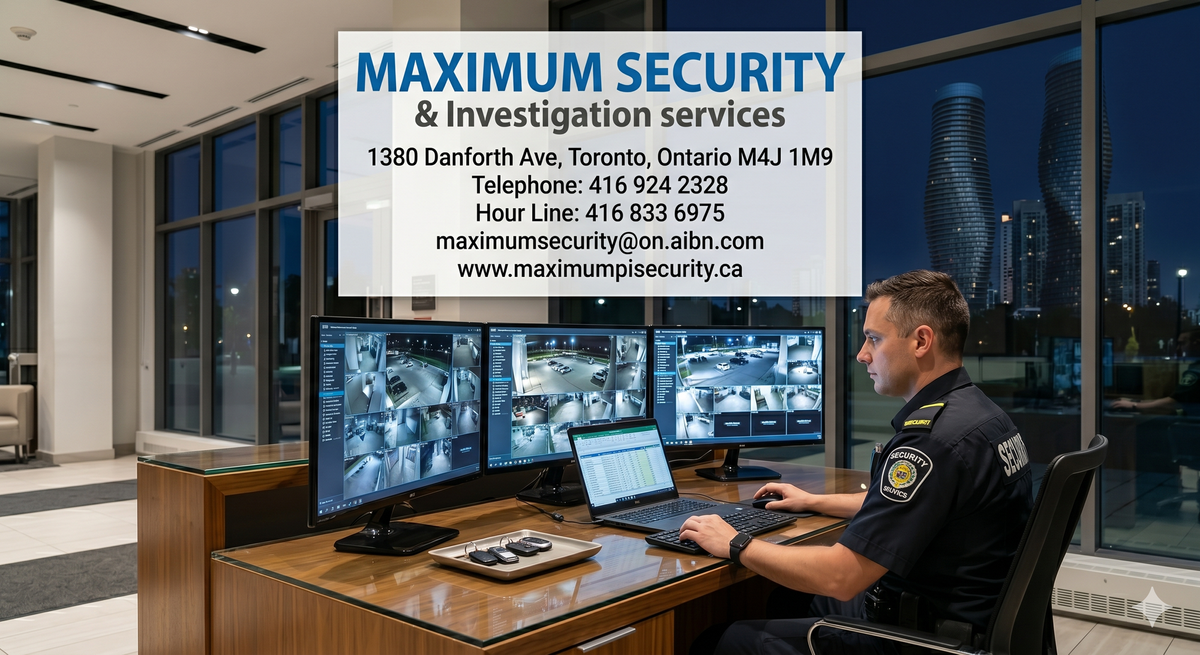
Between the hours of 11:00 PM and 7:00 AM, the primary objective is maintaining a sterile environment. The public traffic slows to a crawl, and the building's infrastructure becomes the primary asset under your care. The overnight guard is responsible for conducting systematic physical building sweeps, cross-referencing mechanical room fire panels, and ensuring that delivery drivers or cleaning staff adhere strictly to loading dock protocols. For a deep look into how these overnight subterranean duties are organized across large-scale suburban assets, analyzing our regional breakdown on Upgrading High-Rise Parking Garage Patrols in Mississauga illustrates the exact technical rigor expected during a night rotation.
The Consensus Verdict: Field data consistently demonstrates that overnight security operations fail not due to external criminal sophistication, but due to internal guard fatigue and shift no-shows. Security vendors prioritize hiring candidates who explicitly state an exclusive preference for permanent night shifts, and they routinely bypass applicants who view the graveyard rotation as a temporary temporary placeholder.
Targeting Transit-Accessible Night Deployments
For individuals living in Mississauga who rely on public transit, accepting an overnight position requires careful geographic evaluation. Mississauga is physically expansive; if you accept an overnight shift at a remote warehouse in the industrial pockets of Malton or South Sheridan, you will find yourself completely stranded at 3:00 AM if an emergency occurs and local transit has ceased operations.
To ensure long-term career stability, you must target "transit-adjacent static sites." Focus your search on the high-rise corridors lining Hurontario Street, Burnhamthorpe Road, and the immediate perimeter of the City Centre Transit Terminal. These buildings are heavily serviced by MiWay transit routes and the upcoming light rail infrastructure. They are heated, feature dedicated staff break rooms, and provide a secure, well-lit front desk environment where you can manage access control safely. This strategic positioning mirrors the accessibility controls necessary for high-density suburban complexes, a standard we outlined in the Condo Parking Enforcement Security Guards in Mississauga: Guide.
Estimated Mississauga Night Shift Security Wages in CAD
| Guard Classification | Primary Work Environment | Estimated Hourly Starting Wage (CAD) | Solitary Threat Responsibility |
| Night Concierge | Square One luxury high-rises | $18.50 - $21.50 | Front desk access, visitor logging, mechanical panel tracking |
| Industrial Static Guard | Manufacturing plants, logistics hubs | $18.00 - $21.00 | Perimeter gate control, shipping manifests, lone worker check-ins |
| Mobile Patrol Driver | Multi-site commercial sweeps | $20.00 - $24.00 | Fleet operation, randomized property audits, alarm response |
Bypassing Algorithmic Resumes Through Local Branch Walk-ins
Massive global security enterprises utilize online Applicant Tracking Systems (ATS) that routinely screen out entry-level applications if they lack specific keyword experience. To bypass this barrier, you must target the localized operational branch offices that manage the actual contracts in Peel Region. These offices are typically clustered in the commercial industrial parks surrounding Dixie Road, Derry Road, and the multi-tenant offices near the corporate center of Meadowvale.
Execute your walk-in applications on Tuesday or Wednesday mornings between 9:30 AM and 11:30 AM. Arrive immaculately dressed in a dark business suit, carrying your printed resume and a valid Ontario Security Guard License. When you interface with the branch scheduler or recruitment coordinator, explicitly use the language of reliability. State: "I live locally in Mississauga, I am fully licensed, and I am seeking a permanent, full-time night shift rotation. I prefer the stability of the graveyard shift and have open availability for weekend overnights." This specific value proposition completely separates you from the casual job seeker because it immediately solves the scheduler's most constant operational vulnerability: vacant weekend night shifts.
Advanced Night Shift Operational Protocols and Surviving the Graveyard Shift
Succeeding as an overnight security professional in Mississauga demands a highly disciplined approach to physical health, technical reporting systems, and solitary crisis management. When you are the sole security presence in a forty-story high-rise or a million-square-foot warehouse at 3:00 AM, you are the absolute line of defense between safety and catastrophic property liability. This section explores the zero-competition strategies required to master overnight guard mechanics, interface with emergency services, and maintain elite performance levels throughout the nocturnal shift cycle.
Mastering the Solitary Incident Management Loop
The core vulnerability of working a solitary night shift is the lack of immediate administrative support. If a pipe bursts or an unauthorized trespasser attempts a perimeter breach at 2:30 AM, there is no manager down the hall to guide your response. You must execute a structured, independent decision-making loop.
When a critical anomaly is detected, your operational priority is containment and documentation:
- Isolate the Risk: If an alarm triggers on the fire panel, you must immediately dispatch yourself to the physical zone to verify the threat. If it is a mechanical failure, such as a water leak, locate the primary shut-off valves as dictated by your site's Post Orders.
- Contemporaneous Logging: Utilize your mobile digital terminal to log every action with precise timestamps. Do not wait until the end of your shift to write your narrative report. If a legal discovery process occurs due to property damage, your real-time digital logs serve as the primary defense for the property board, a level of diligence detailed in How to Reduce Condo Liability with Trained Security Guards in North York.
- Structured Escalation: If the incident exceeds your physical capabilities—such as an active electrical fire—you must immediately bypass the security company's dispatch and contact Mississauga Fire and Emergency Services directly, moving to an observe-and-report posture from a safe distance.
Managing Subterranean Gate Control and Fob Vulnerabilities
For overnight guards stationed at high-rise residential properties near Square One, the primary mechanical vector of risk is the main underground parking garage entrance. Syndicates targeting luxury vehicles in Peel Region execute their operations between 1:00 AM and 4:00 AM. They utilize signal-cloning technology or park on the approach ramp, waiting for a resident to exit so they can tailgate into the garage before the overhead door completes its closure cycle.
The overnight guard must treat the garage gate as a high-security boundary. Part of your nightly mandate involves conducting physical audits of the entry gate tracks and safety loops. If a gate is found jammed open or malfunctioning, it represents a critical perimeter breach. You must immediately log the defect, notify the emergency on-call maintenance technician, and station yourself physically at the open entrance to act as a human access control barrier until a mechanical repair crew arrives. This uncompromising stance on gate security is an absolute requirement for protecting high-value vehicle assets, as explored in How to Stop Parking Garage Car Break-ins in North York Condos.
Navigating the Circadian Low and Fatigue Mitigation
The most dangerous hours of a night shift occur between 3:00 AM and 5:00 AM. This is the "circadian low," the period where the human body naturally experiences its deepest urge to sleep. A security guard falling asleep at a front desk or inside a patrol vehicle is not only a fireable offense under the Private Security and Investigative Services Act, but it leaves the entire property porous to criminal exploitation.
To combat fatigue and maintain absolute alertness, you must restructure your operational habits:
- Randomize Your Foot Patrols: Do not sit at the desk for four consecutive hours. Break your shift into alternating blocks of twenty minutes of active roving foot patrols followed by forty minutes of static monitoring. The physical movement increases blood flow and resets your cognitive focus.
- Strategic Lighting Maintenance: Keep your immediate workspace brightly illuminated. Working in a dimmed lobby or a dark security office induces sleepiness. Ensure all desk lamps and monitor backlights are optimized to mimic daylight parameters.
- Nutritional Discipline: Avoid heavy, carbohydrate-dense meals during the overnight hours, as they trigger rapid insulin spikes and subsequent lethargy. Focus on high-protein snacks and maintain continuous hydration, minimizing excessive caffeine consumption to prevent a sudden cognitive crash at 4:00 AM.
Interfacing with Peel Regional Police and Emergency Services
When an active crime occurs on your property overnight—such as a commercial break-and-enter or a violent trespassing incident—your communication with emergency dispatchers dictates the speed of the police response.
When calling 911, you must identify yourself as a licensed security professional acting as an authorized agent for the property owner. State your precise address, your cross-streets, and the exact nature of the threat using objective, behavioral language. Do not say, "Someone looks suspicious." Say: "I am a licensed security guard tracking an unauthorized individual who has bypassed a locked commercial door and is currently attempting to access the main warehouse inventory floor." This descriptive clarity allows police dispatchers to categorize the incident as an active property transgression in progress, resulting in a significantly faster field response from Peel Regional Police units.
Securing Commercial Warehouses and Logistics Perimeters
If your night shift assignment places you at a massive industrial logistics hub near the airport corridor, your responsibilities pivot toward cargo protection and supply chain integrity. These properties feature extensive exterior trailer yards that are highly vulnerable to organized cargo theft networks.
Your overnight routing must include comprehensive checks of the exterior fence lines. Walk the perimeter to inspect the integrity of the chain-link barriers, checking specifically for cut locks, peeled fencing sections, or propped emergency exit gates. When transport trucks arrive during the night, you must act as a strict customs agent. Verify the driver's commercial manifest, inspect the trailer seal numbers to ensure they match the paperwork, and log the truck's license plates into the digital yard management tracking software before releasing the security gate. This rigorous oversight is an industry standard for protecting high-ticket logistics assets, as detailed in our industrial profile on Mobile Security Patrol Services for Industrial Parks in Mississauga.
The Critical Role of the Shift Handover Protocol
The final operational hurdle of a successful night shift is the morning handover to the daytime security team. Access control failures frequently occur during shift changes because the incoming guard lacks situational awareness regarding ongoing incidents that developed overnight.
You must execute a formal, structured handover sequence. Walk the incoming guard through the daily digital blotter, highlighting any open issues, such as a malfunctioning elevator door, a banned former resident attempting entry, or a specific package that requires secure executive courier tracking. Physically verify that all master building fobs, emergency keys, and mechanical radios are accounted for before signing out of the digital platform. This meticulous transition ensures the continuity of the building's defense matrix and reinforces your professional standing with the security agency management team.
If you possess your valid Ontario Security Guard License and are ready to secure a permanent, stable night shift concierge or building security position in Mississauga, CAREER SECURITY from Maximum PI Security to connect with an operational branch that actively deploys dedicated night shift talent today.

Frequently Asked Questions
Can I work night shift security in Mississauga if I only have a G2 driver's license?
Yes, absolutely. A G2 driver's license is completely sufficient for the vast majority of static security positions, including overnight condominium concierges, hospital guards, and commercial warehouse posts where your movement is limited to foot patrols. A full G-class driver's license is only mandatory if you are applying for mobile patrol positions that require you to operate the security agency's marked fleet vehicles on public roadways.
What should I do if the building fire panel starts ringing at 3:00 AM?
When a fire alarm sounds during an overnight shift, you must execute the mandatory emergency protocol immediately. Silence the buzzer on the panel to allow for clear radio communication, identify the exact zone code flashing on the digital interface, and immediately dispatch yourself or a secondary guard to that specific location to visually verify the threat. If you detect smoke or flame, pull the manual fire pull station, initiate building evacuation procedures, and contact 911 instantly. If it is a confirmed false alarm caused by a mechanical malfunction, log the defect and notify the property technician.
Are night shift security jobs safe for entry-level guards?
Yes. Overnight security positions are highly structured and emphasize absolute safety through a "hands-off" observation protocol. Entry-level guards are trained to avoid personal physical confrontations. If a security breach or volatile situation develops, the guard's explicit directive is to maintain a safe physical distance behind secure architectural barriers, document the suspects via digital surveillance, and immediately contact law enforcement to resolve the threat, eliminating personal physical liability.
How do I prove to a security company that I can handle working the graveyard shift?
The most effective way to prove your competency for overnight work during an interview is to explicitly highlight your history of managing erratic schedules or working unsupervised. If you have experience working night stocking shifts at a grocery store, handling early morning logistics deliveries, or successfully completing independent study modules, emphasize these traits. Schedulers want to hear that you possess the internal discipline to remain awake, alert, and self-motivated during lone-worker shifts without requiring constant corporate supervision.
About the Author
Jeff Calixte is an online exclusive content sell strategist with a deep background in tracking local asset protection data, analyzing Southern Ontario labor rates, and outlining real operational deployment structures across the Greater Toronto Area.
Sources
- Ontario Ministry of the Solicitor General - Security Guard Conduct Guidelines
- Private Security and Investigative Services Act, 2005 - ServiceOntario
- City of Mississauga - Corporate Security and Facility Management Regulations
Note
Commercial bill rates, guard wages, deployment conditions, and vendor availability can vary widely by province, municipality, season, and project scope. All pricing estimates, labor figures, and career examples in this guide are approximations based on current Ontario market data. Always confirm contract details, licensing compliance, and specific rate quotes directly with your chosen service provider or employer before finalizing any agreements.