Commercial Building Security Inspections and Mobile Patrol Checklist
Facility managers face rising after-hours property threats across the GTA. Discover the ultimate commercial building security inspection checklist and learn why randomized mobile patrols offer a highly affordable, high-impact alternative to full-time static guards.
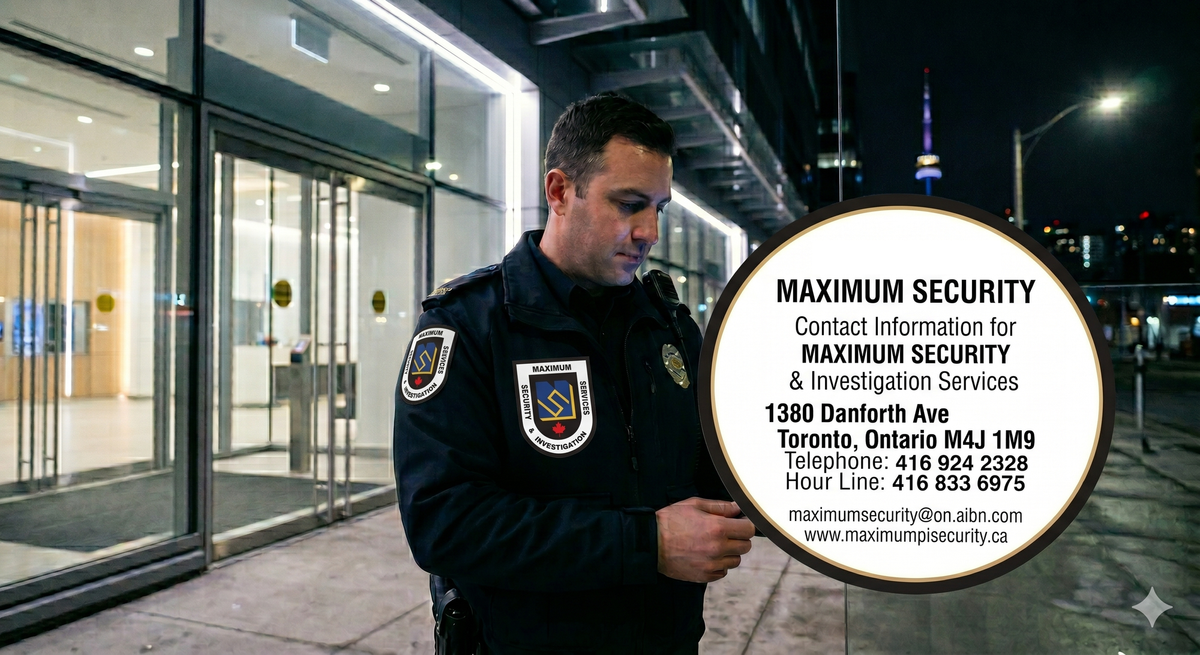
Managing a mid-to-large-scale commercial property, corporate office park, or multi-tenant professional building across the Greater Toronto Area demands a flawless approach to after-hours asset protection. As operational footprints expand across major business corridors in Vaughan, Mississauga, Markham, and the dense urban core of Downtown Toronto, commercial facility managers face an escalating series of localized property threats. When the primary workforce vacates a commercial building at 6:00 PM, the property enters an extended vulnerability window. Unsecured loading docks, dark exterior parking garages, and vacant interior hallways become highly attractive targets for trespassing, organized property theft, copper wire stripping, and severe vandalism. Furthermore, unchecked environmental hazards—such as burst commercial plumbing pipes, localized electrical fires, or HVAC system failures—can cause millions of dollars in structural damage if left undiscovered until the following morning.
While deploying a dedicated, 24/7 static security guard provides comprehensive coverage, the corporate budget required to maintain full-time personnel is often entirely out of reach for many mid-sized commercial properties. To bridge the gap between zero after-hours protection and massive static guard invoices, corporate real estate groups are pivoting heavily toward specialized mobile security patrols. Deploying randomized, highly documented mobile patrols allows facility managers to secure their building perimeters, verify door locks, satisfy strict commercial insurance requirements, and maintain an active physical deterrent at a fraction of the cost of a full-time guard.
The Financial Case for Mobile Patrols vs. Static Guards
When facility managers and property owners sit down to finalize their 2026 operational budgets, the security line item is frequently the subject of intense debate. The core objective is balancing maximum risk mitigation against sustainable corporate overhead.
Consensus Analysis: Unmonitored Alarm Systems vs. Active Mobile Patrols
Many corporate building managers mistakenly rely entirely on passive electronic alarm systems to protect their properties after hours, assuming the technology alone is sufficient.
The Verdict:
- Avoid This: Relying exclusively on passive glass-break sensors, unmonitored interior motion detectors, and basic CCTV cameras. While alarms are critical, they do nothing to physically deter a crime from happening. Furthermore, if a silent alarm is triggered in a commercial building at 2:00 AM, local police divisions—already stretched thin across the GTA—will categorize it as a low-priority property alarm. By the time law enforcement arrives to verify the breach, the intruders have already stripped the server room or caused catastrophic property damage and fled the scene.
- Buy This: Implement a dedicated, randomized mobile security patrol service. A highly visible, marked security vehicle equipped with amber warning lights creates an immediate psychological barrier that deters crime before an alarm is ever triggered. Professional patrol officers execute physical inspections, verify that all points of entry are locked, and serve as authorized keyholders capable of executing an immediate, verified human response to any triggered alarms, drastically reducing the time your property remains exposed.
Deep Dive: Calculating the True Cost of Commercial Security Frameworks
To understand the financial power of mobile patrols, corporate real estate managers must calculate the true, annualized cost of their security deployments. In 2026, contracting a legitimate, fully licensed, and WSIB-cleared Tier 1 static security guard to sit at a commercial lobby desk for a standard 12-hour overnight shift (e.g., 6:00 PM to 6:00 AM) averages between $38.00 and $48.00 per hour (CAD). Over the course of a single month, deploying one static night guard costs a commercial property approximately $13,680 to $17,280. For a mid-sized office park, this expense is often completely unsustainable.
In stark contrast, a shared mobile patrol service offers phenomenal cost containment through resource sharing. Because a mobile patrol officer uses a vehicle to monitor multiple distinct commercial properties within a specific geographic zone throughout their shift, the massive overhead cost of the vehicle, fuel, and officer wage is shared among several clients.
| Commercial Protection Model | Monthly Budget Outlay (CAD) | Primary Operational Advantage |
| Dedicated Static Night Guard (12 Hrs/Night) | $13,680 - $17,280 | Continuous on-site presence; immediate physical intervention. |
| Mobile Patrols (3 Randomized Checks/Night) | $4,500 - $6,500 | Shared-cost model; unpredictable arrival times disrupt theft planning; rapid alarm response. |
| Unmonitored Basic Alarm System | $250 - $500 | Extremely low cost; satisfies minimal baseline insurance clauses. |
By utilizing a randomized mobile patrol framework, a facility manager can reduce their annual security budget by over 60% while still maintaining a robust, highly effective physical deterrent. This financial flexibility allows property managers to reallocate operational capital toward critical structural upgrades, such as access control system replacements or high-efficiency LED parking lot lighting. Facility managers looking to understand how these exterior security principles integrate with broader commercial construction and development guidelines across the GTA should review our foundational manual on construction site security guidelines for GTA contractors to verify baseline risk management frameworks.
Core Vulnerabilities in 2026 Commercial Properties
Before establishing a formal mobile patrol route, property managers must understand exactly how modern criminal networks and environmental threats target commercial buildings. Organized property crime in the GTA is not random; it targets specific structural and procedural weaknesses.
After-Hours Perimeter Breaches
The vast majority of commercial break-and-enters do not occur by smashing through the main front lobby glass. Professional thieves target the building's rear perimeter. They look for poorly lit shipping and receiving docks, unsecured exterior stairwell doors, and ground-level utility access panels. These locations offer immense physical cover, allowing intruders to utilize heavy pry bars or battery-powered angle grinders to defeat commercial door hardware without being seen from the public street.
Unsecured Access Points and "Tailgating"
A massive hidden vulnerability in multi-tenant commercial office buildings is simple human error. Employees frequently prop open rear staff doors to take smoke breaks and forget to close them before going home. Janitorial staff routinely leave exterior garbage enclosure doors unlocked after emptying the trash. These minor operational lapses leave the building's entire interior completely exposed to unauthorized entry. Furthermore, if a single perimeter door fails to latch properly due to a faulty hydraulic closer, the building's electronic access control system is completely rendered useless.
Fire, Flood, and Environmental Hazards
Security is not solely focused on theft. Many catastrophic financial losses in commercial real estate are caused by internal environmental failures. A burst commercial boiler pipe on the fourth floor can dump thousands of gallons of water down elevator shafts and into primary electrical rooms if left unchecked overnight. A smoldering electrical short in a server room can ignite a massive structural fire. Identifying these hazards early requires human senses—smelling smoke, hearing rushing water, or feeling abnormal heat—that standard passive alarm sensors frequently miss until the damage is already severe.
The 2026 Commercial Building Mobile Patrol Checklist
To guarantee that your contracted mobile patrol officers are delivering maximum value and executing thorough, actionable audits, facility managers must establish a strict, standardized inspection checklist. This checklist dictates exactly what the officer must inspect, test, and document during every single randomized site visit.
1. Exterior Perimeter and Parking Lot Audits
The mobile patrol begins before the officer even exits their vehicle. The goal is to aggressively secure the outer boundary of the property.
- High-Visibility Vehicle Sweep: The officer slowly drives the marked patrol vehicle through all surface parking lots and underground garage levels with high-intensity amber warning lights activated, projecting a massive visual deterrent.
- Unauthorized Vehicle Log: The officer records the license plates of any vehicles left idling in dark corners, parked in fire routes, or abandoned overnight without management authorization.
- Lighting and Fencing Verification: The officer visually inspects the perimeter fence line for cut panels and logs any burned-out exterior LED floodlights or broken parking lot lampposts that create dangerous blind spots.
- Garbage Enclosure Checks: The officer physically checks rear garbage corrals and recycling dumpsters to ensure homeless individuals are not utilizing the enclosures for overnight sheltering or illegal dumping.
2. Access Control and Point of Entry Verification
The most critical component of the patrol is the physical "door pull" test. Visual confirmation is never enough; the officer must physically test the hardware.
- Primary Entrances: Physically test the main lobby glass doors to ensure electronic mag-locks have engaged properly.
- Rear Shipping and Receiving Docks: Manually pull on all rear steel doors, verify that overhead rolling loading bay doors are seated flush with the concrete, and check that exterior padlock shackles are fully engaged.
- Ground-Level Windows: Shine high-intensity tactical flashlights across all ground-floor windows to check for fresh cracks, pry marks, or shattered panes.
- Roof Access Points: Ensure exterior fire escape ladders and roof access hatches remain completely secured against urban explorers or copper thieves.
3. Interior High-Value Asset and Server Room Checks
If the facility manager has granted the mobile patrol officer authorized interior access, the patrol shifts to protecting critical corporate infrastructure.
- Server and Telecommunications Rooms: Visually verify that secure IT rooms remain locked. Check for abnormal environmental indicators, such as the smell of burning wiring, excessive ambient heat indicating HVAC failure, or water pooling near server racks.
- Executive Suites and Financial Hubs: Ensure that sensitive internal department doors remain locked and that no unauthorized cleaning staff or contractors are lingering in restricted zones after hours.
- Common Area Sweeps: Walk the main lobby, public washrooms, and interior stairwells to ensure no individuals have hidden inside the building to wait until the staff leave.
4. Environmental and Fire Safety Inspections
The mobile officer serves as an early-warning system for catastrophic building failures.
- Fire Panel Status: Check the main commercial fire alarm panel in the lobby to ensure it displays a normal "All Clear" status, logging any minor trouble codes or disabled zones.
- Utility Rooms: Inspect primary boiler rooms, commercial water mains, and heavy electrical hubs for signs of active leaking, flooding, or gas odors.
- Safety Equipment Integrity: Verify that emergency exit signs remain illuminated, fire extinguishers are present in their brackets, and interior emergency stairwells are completely clear of tripping hazards or stored debris.
Deep Dive: Utilizing Advanced Mobile Patrol Technology in 2026
The era of paper logbooks and unverified "drive-by" patrols is entirely dead. In 2026, elite commercial security agencies utilize advanced digital reporting software to guarantee total operational transparency and provide facility managers with undeniable proof of service.
Real-Time GPS and NFC Tag Routing
To guarantee that patrol officers are actually exiting their vehicles and executing thorough physical inspections rather than simply sitting in the parking lot, security agencies install weatherproof Near Field Communication (NFC) checkpoints or QR codes across the property. These digital tags are permanently mounted at critical locations—such as the rear loading dock, the primary electrical room, and remote exterior stairwells.
During their patrol, the officer must walk to each specific tag and scan it using a proprietary, GPS-tracked smartphone application. This action generates a precise, unalterable digital timestamp proving that the officer was physically standing at that exact door at that exact minute. Facility managers receive a comprehensive, automated digital report every morning detailing exactly when the property was checked, supported by high-resolution photos of any maintenance issues or security breaches discovered during the night.
Alarm Response Integration and Verification
Mobile patrol officers also serve as the primary authorized keyholders for the commercial property. If the building's interior burglar alarm or fire panel triggers at 3:00 AM, the central monitoring station immediately dispatches the mobile patrol unit rather than waking up the facility manager or triggering an expensive false-alarm police response. The officer arrives rapidly, accesses the building using securely retained keys, executes a full tactical sweep of the interior to verify the cause of the alarm, and resets the system. If a legitimate break-in is discovered, the officer instantly secures the perimeter and coordinates directly with the local police division.
Cost Breakdown: 2026 Mobile Patrol Commercial Rates
Acquiring professional mobile patrol coverage requires a realistic understanding of commercial agency pricing structures. In the 2026 Ontario market, a legitimate, compliant security agency must operate under the strict guidelines of the Private Security and Investigative Services Act (PSISA), pricing contracts to cover massive corporate infrastructure, including multi-million-dollar commercial general liability insurance, comprehensive WSIB clearings, and vehicle fleet fuel maintenance.
For commercial properties across the GTA, procurement teams should budget for the following agency bill rates:
- Standard Exterior Mobile Patrol Check: Billed at $45.00 to $60.00 per individual site visit (CAD). This involves a thorough, documented sweep of the exterior parking lots, physical door pulls on all perimeter access points, and a detailed digital report.
- Comprehensive Interior/Exterior Security Audit: Billed at $55.00 to $75.00 per individual site visit (CAD). This involves the officer utilizing retained keys to enter the building, execute a full interior sweep of all floors, check server rooms, verify fire panels, and lock down the exterior.
- Dedicated Alarm Response Call-Out: Billed at $65.00 to $95.00 per incident (CAD). This is an emergency dispatch triggered by a building alarm, ensuring a trained professional arrives rapidly to verify the threat and secure the premises.
Hiring an organization that quotes rates significantly below these commercial baselines—such as offering patrol checks for $20.00—is a direct indication that the provider is cutting critical compliance corners, operating without WSIB clearance, or failing to carry proper commercial liability insurance. To understand how to properly vet B2B vendors, reviewing our guide on hiring uniformed security guards for retail plazas in Brampton is an essential step for any operations director. For specific high-density corporate complexes evaluating localized safety presence, exploring random mobile guard checks for corporate buildings in Vaughan provides excellent operational context.
Legal Compliance and Insurance Requirements
Deploying a professional mobile patrol service provides massive liability protection and directly satisfies the strict requirements of commercial property insurance underwriters. Many modern commercial insurance policies contain strict "Vacancy Clauses" or "Protective Safeguard Endorsements." These clauses dictate that if a commercial building is left unoccupied after hours, the property must be physically inspected by a licensed professional at regular intervals, or the alarm system must be tied to a verified private guard response service.
If a facility manager fails to implement these required security measures and the building suffers a massive loss—such as a devastating fire caused by an undetected electrical short—the insurance carrier will execute a thorough investigation. If the carrier discovers that the mandatory security patrols were not being executed, they will immediately void the policy and deny the multi-million-dollar payout, leaving the corporate real estate group entirely financially responsible for the reconstruction. By utilizing a licensed security agency equipped with digital NFC scanning technology, the facility manager possesses undeniable, timestamped proof of compliance to hand directly to insurance auditors.
Commercial Mobile Patrol Q&A
Can a mobile patrol officer physically detain a trespasser found sleeping in the loading dock?
Under the Ontario Trespass to Property Act (TPA), a licensed security guard acts as an official representative of the property owner and possesses the legal authority to direct an unauthorized individual to leave the premises immediately. However, professional commercial security agencies strictly limit physical "hands-on" removals due to massive civil liability and physical danger. The standard protocol is for the patrol officer to issue a clear, verbal trespass warning. If the individual refuses to leave the loading dock, the officer will retreat to a safe distance inside their locked vehicle, document the individual's description, and dispatch local police to execute a formal, police-led removal.
What should a patrol officer do if they discover an open exterior door but the alarm hasn't triggered?
Discovering an unsecured perimeter door is one of the most critical functions of a mobile patrol. If an officer finds an open door, they must assume the building has been compromised. The strict protocol dictates that the officer does not blindly enter a potentially dangerous situation alone. They will instantly secure the immediate exterior perimeter, notify their centralized dispatch desk to coordinate backup or police response, and cautiously clear the immediate entry vestibule. Once the building is verified safe, they will physically secure the door, document the mechanical failure (e.g., a broken latch), and send an immediate high-priority alert to the facility manager.
How do we prevent mobile patrol officers from just driving past the building without checking the doors?
This is the exact reason modern corporate real estate groups demand NFC or QR code checkpoint systems. Without digital tracking, a facility manager has no way of verifying the patrol actually occurred. By forcing the officer to exit their vehicle and physically scan a digital tag mounted directly on the handle of the rear loading dock door, the security software proves beyond a shadow of a doubt that the officer was physically present at the required location. If a tag is missed during a shift, the software automatically flags the discrepancy for agency supervisors to investigate immediately.
Frequently Asked Questions
How many mobile patrol checks should I schedule for my commercial building each night?
For a standard, mid-sized commercial office building, scheduling three to four randomized mobile checks per night is the industry best practice. This configuration ensures that your site is audited approximately every two to three hours throughout the high-risk window between 8:00 PM and 5:00 AM, making it exceptionally difficult for local theft operations to predict or plan a successful breach around the patrol schedule.
Do mobile patrol officers carry keys to all the tenant offices inside the building?
No. For extreme liability reasons, mobile patrol officers are typically only issued the grand master keys necessary to access the building's main perimeter doors, common lobbies, electrical rooms, and central fire panels. They do not carry keys to individual, privately leased tenant suites unless explicitly authorized and requested by the specific tenant for dedicated alarm response purposes.
Are mobile patrol vehicles legally permitted to use flashing amber lights on public roads?
Under the Ontario Highway Traffic Act, private security vehicles executing mobile patrol, property inspection, and alarm response duties are legally permitted to operate amber-colored flashing warning lights while on private commercial property or when parked safely along public roadways adjacent to a client's building. These flashing warning lights serve as an essential visual deterrent and protect the officer while executing exterior foot patrols in dark environments.
About the Author
Jeff Calixte is an online exclusive content sell strategist with a deep background in tracking local asset protection data, analyzing Southern Ontario labor rates, and outlining real operational deployment structures across the Greater Toronto Area.
Sources
- Ontario Ministry of the Solicitor General - Private Security and Investigative Services Act Regulations
- Trespass to Property Act, R.S.O. 1990, c. T.21
- Toronto Police Service - Commercial Property Protection Advisories
Note
Commercial bill rates, guard wages, deployment conditions, and vendor availability can vary widely by province, municipality, season, and project scope. All pricing estimates, labor figures, and career examples in this guide are approximations based on current Ontario market data. Always confirm contract details, licensing compliance, and specific rate quotes directly with your chosen service provider or employer before finalizing any agreements.